Exchange in Action: U.S. Fellows Abroad Building Enduring Partnerships
“I return home grateful, inspired, and fully committed to staying engaged with the incredible individuals and institutions we encountered, continuing to build lasting connections between our communities.”
–Meghan Hubbs (U.S. Reciprocal Exchange Participant)
The Professional Fellows Program (PFP) in the Middle East and North Africa (MENA) brings leaders together to exchange ideas, strengthen skills, and build partnerships that create lasting impact. After welcoming professionals from Algeria, Egypt, Morocco, and Tunisia to the United States for an intensive five-and-a-half-week exchange, the journey continues. U.S. hosts step into a new role-traveling to the home countries of the Fellows they once hosted, they deepen collaboration, expand global perspectives, and advance shared solutions that benefit communities both overseas and in the United States.
This opportunity to travel to the Middle East & North Africa region not only brings international relations, cross-cultural exchange, and public diplomacy to an elevated level, but also allows U.S. delegations to gain deeper comprehension of how their fellows are working to innovate and address pressing issues in their countries and communities. The experience of witnessing the local work of the Algerian, Egyptian, Moroccan, and Tunisian fellows first-hand, as well as their culture, memories, traditions, and countries is irreplaceable. Let us dive a little more into the reasons why this experience is one-of-a-kind, by looking at the journeys of ten U.S-based fellowship hosts.
TUNISIA
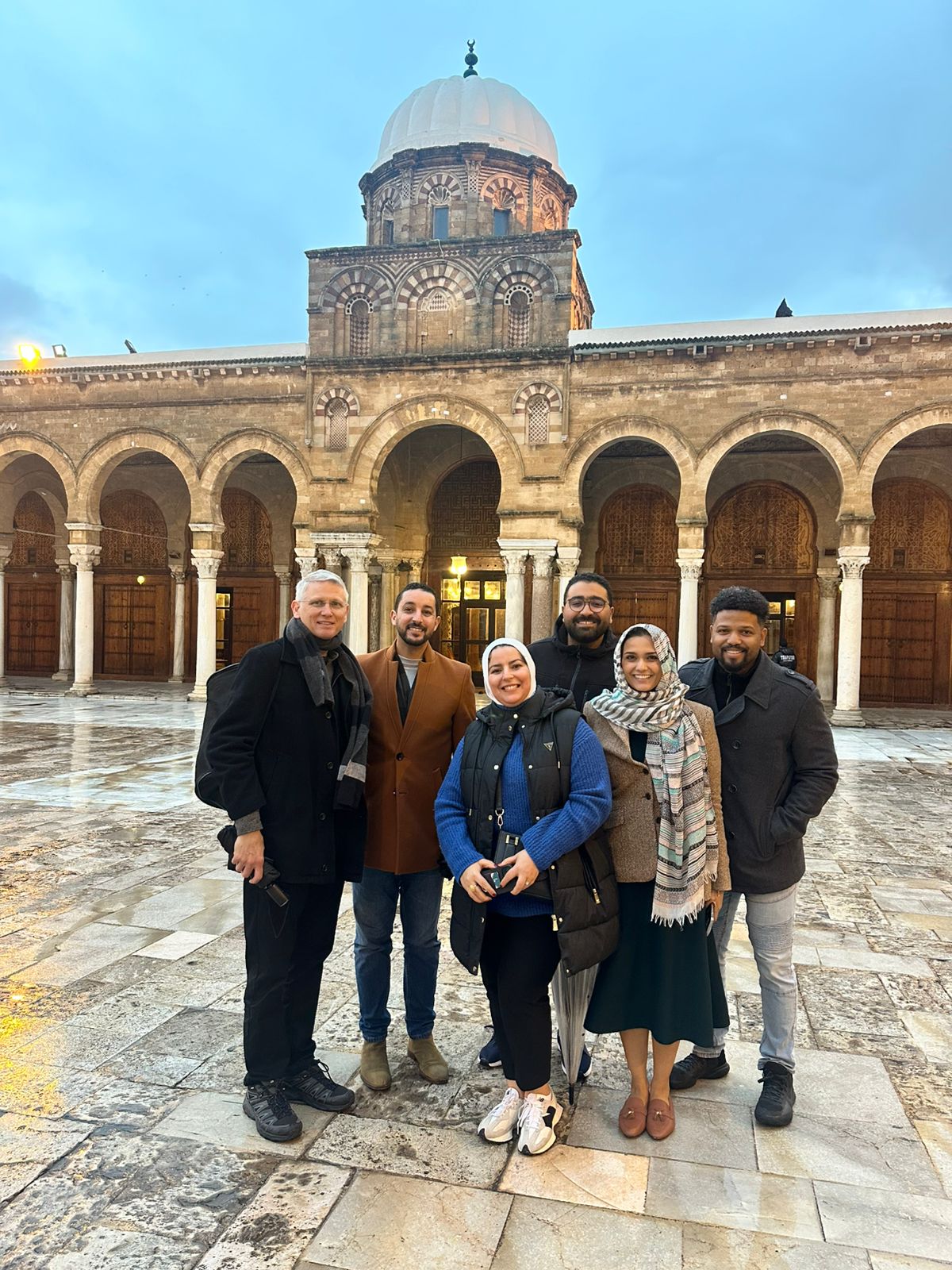
The first group to arrive in North Africa, was composed of Shreya Singh from The Aspen Institute, Michael Ward Jr. from Universal Tech Movement, and Parc Smith from American Youthworks. The words life-changing, inspirational, and heartwarming encapsulated their experiences in Tunisia, as expressed by each of them respectively.
Crucially, the source of this impact was the people-the local individuals they engaged with throughout their journey. As Michael Ward noted, the “most impactful part of the experience, personally, was the people. Being surrounded by fellows deeply committed to creating value within their companies and contributing to growth at every level was both inspiring and energizing. Each participant brought a distinct focus, yet there was a shared commitment to strengthening individuals, advancing businesses, and supporting broader societal progress.”
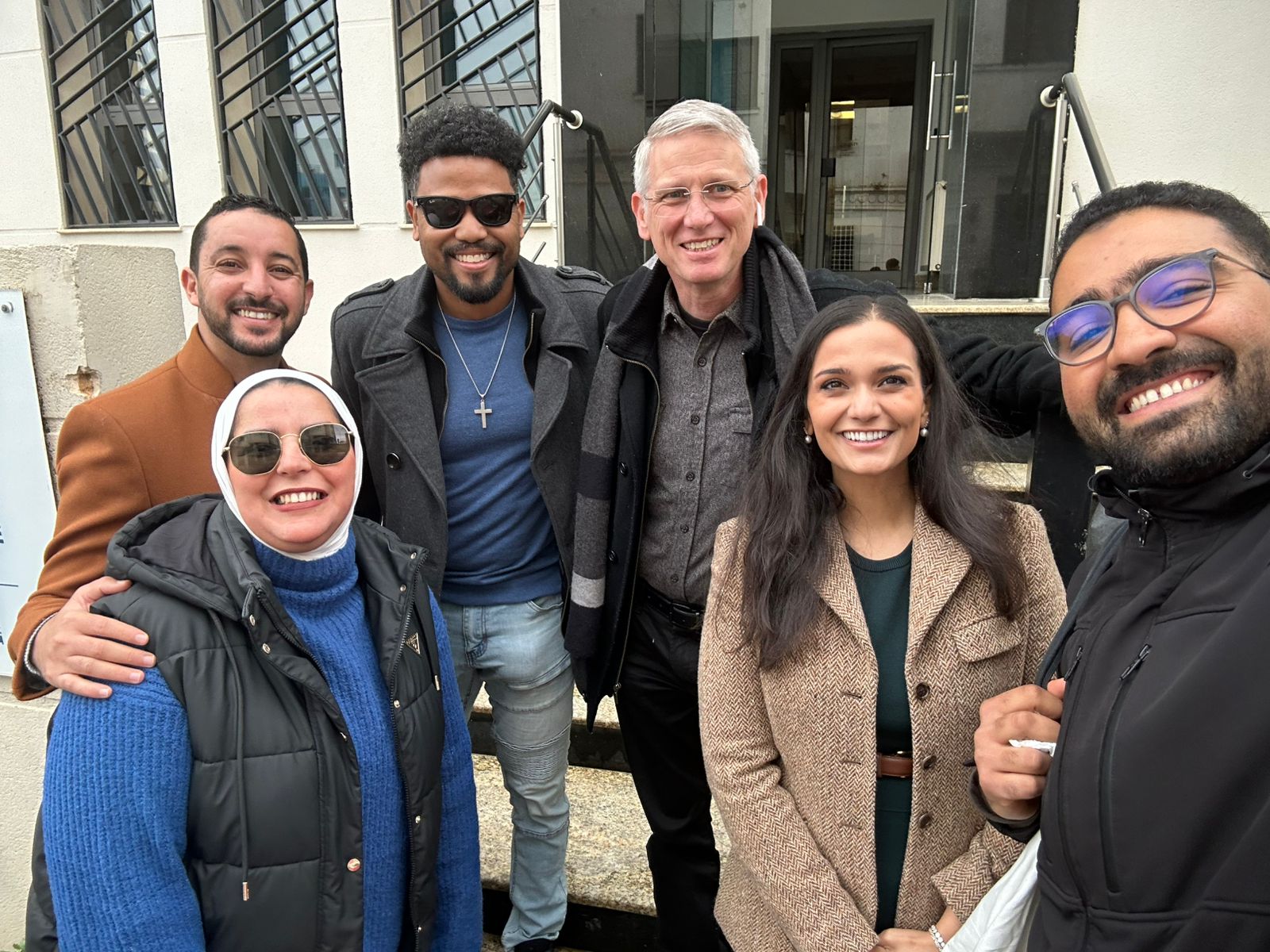
Social, technological, and entrepreneurial innovation and progress are not only about the frameworks and tools used, but also about the relationships built and the collaborations sustained. For this reason, what makes Legacy International’s PFP exchange powerful is its foundation in human-to-human connections. Meaningfully bridging purpose-driven individuals in this way allows partnerships to feel deep and genuine. Researcher Shreya Singh expressed this beautifully when she said: “My time in Tunisia reminded me why I do this work in the first place. Across workshops on AI safety, workforce readiness, and technology policy, I saw firsthand how hungry founders, students, and community leaders are for tools that translate ideas into action…They were asking how technology can meaningfully improve everyday life, expand opportunity, and strengthen civic trust…I’m leaving Tunisia energized and deeply grateful for the partnerships formed, the candid conversations, and the chance to learn alongside people doing extraordinary work with limited resources and unlimited determination.”
The workshops and discussions on AI, business, and innovation, coupled with the visits to the Bardo Museum, the ruins of Dougga, and the streets of Sidi Bou Said brought to life the roots and realities of resilience, talent, and creativity present in Tunisia. It is no wonder that the three delegates from Washington DC and Texas voiced their excitement about continuing to work with their Tunisian counterparts-and new colleagues and friends-to ultimately translate reciprocal relationships and learning into lasting impact. Exploring ways to return to Tunisia or maintain these overseas collaborations remains a shared goal, in the words of Parc Smith, “there would be tremendous opportunities for America & Tunisia to build mutually beneficial partnerships. I would highly encourage continued intellectual & professional exchange between our two countries. It’s very important that [U.S. delegates] have these interactions…We stand to benefit the most from our continued relations with [Tunisians] as a whole.”
MOROCCO
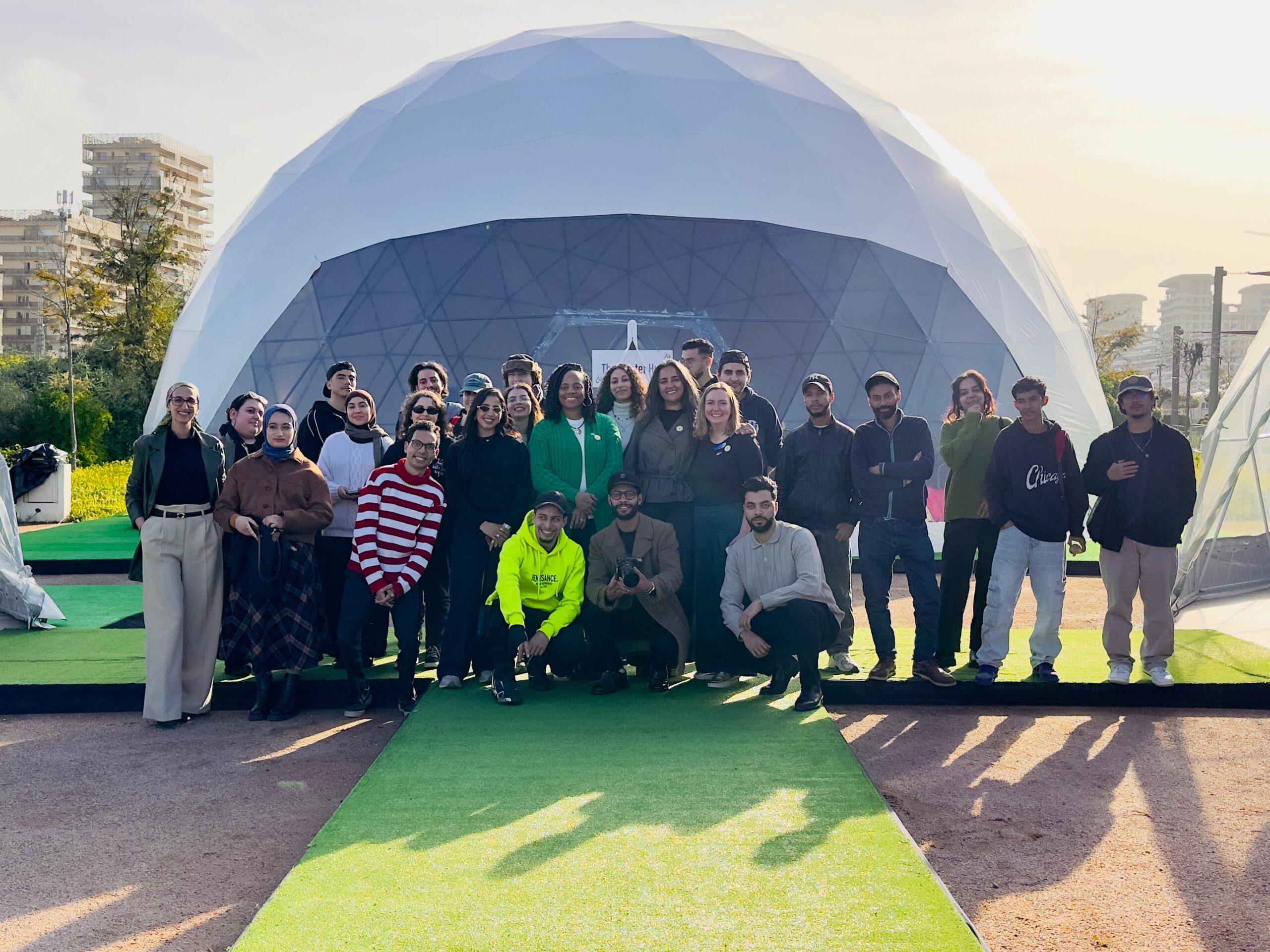
The next two U.S-based fellowship hosts to experience the active building of global bridges in North Africa were Cynthia Respert from Rebrand Cities and Meghan Hubbs from Velocity. During their trip to Morocco, they too felt the remarkable warmth and kindness of the people, while getting inspired by the local passion and resilient entrepreneurial ecosystems. Their journey, spanning six cities and seven talks and panels, not only uncovered universal concerns and shared needs but also brought to light the immense potential of aligning common goals, and fostering genuine understanding among individuals from different backgrounds, to achieve durable and innovative impact. The details are better explained by Michigan-based delegate, Meghan Hubbs, herself:
“Our initial meetings with Amideast and the U.S. Embassy Rabat provided a strong foundation for understanding the Moroccan context and the goals of the Professional Fellows Program exchange. Learning about the Embassy’s focus on education and digital advancement through the Digital Morocco 2030 initiative highlighted the country’s commitment to strengthening small businesses and entrepreneurs…The Annual Alumni Summit were especially powerful; recognizing that more than 10,000 alumni have participated across programs reinforced the depth of the 250-year U.S.-Morocco partnership and its ongoing commitment to shared prosperity and democratic engagement…
In Tangier, visiting the American Legation Museum deepened my appreciation for the longstanding relationship between our countries. In Marrakech, our discussion with Taoufik Aboudia and the audience at the Emerging Business Factory revealed strong alignment with Velocity’s work in incubation and business acceleration. At UM6P’s Coop Lab, I was fascinated to learn that Morocco has more than 63,000 cooperatives-primarily in agriculture-ranging from large-scale dairy operations to small five-member co-ops. Exploring the structure and scale of these cooperatives sparked ideas for future collaboration, mentorship exchange, and continued partnership.”
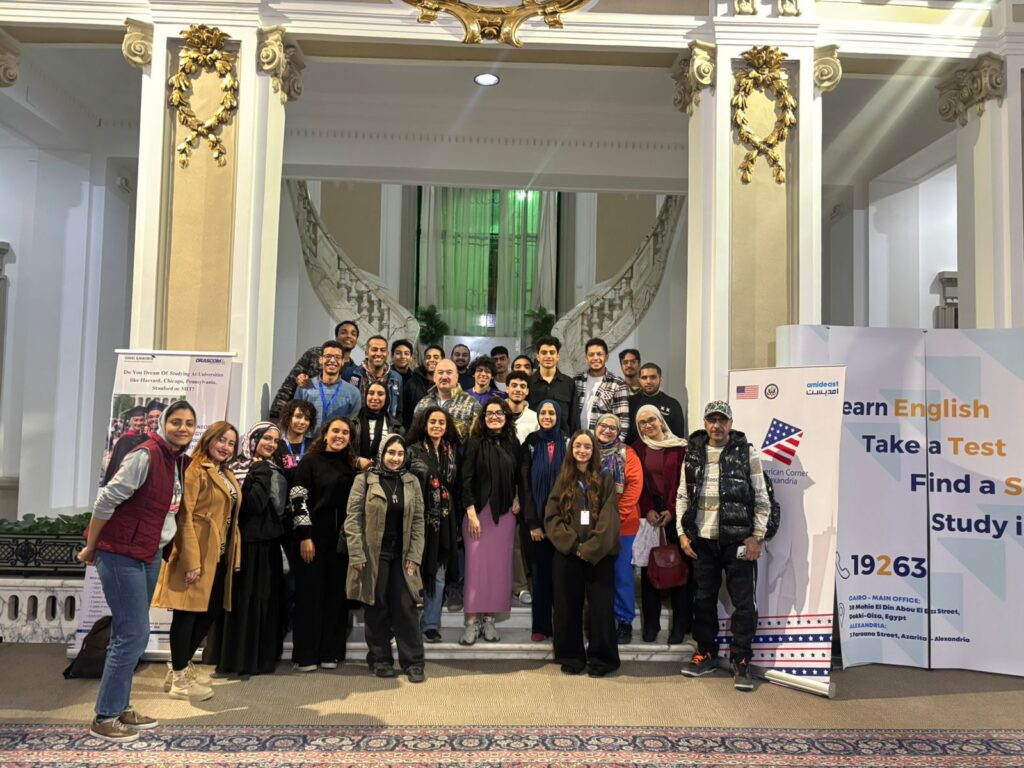
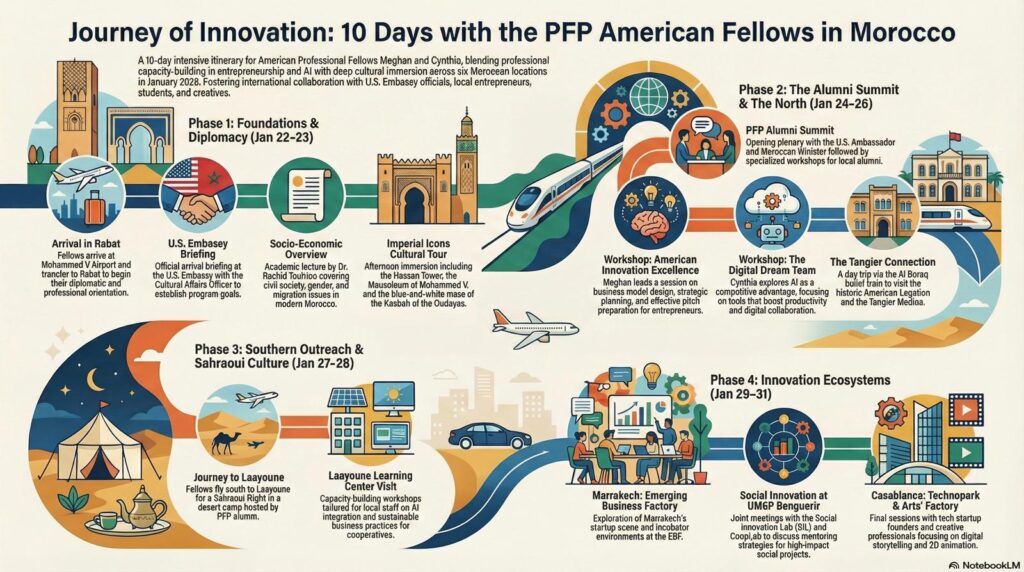
This thorough experience is fully illustrated in the Journey of Innovation visual below, created by Cynthia Respert. The image displays the scope of the trip-ranging from diplomatic conversations and capacity-building conferences to desert camp outings-and the value that an exchange can achieve in just 10 days. Put differently, the richness of the experience included multiple spaces for knowledge exchange between U.S. delegates and diverse groups across Morocco, as well as site visits, historical learning, and cultural immersion. This richness is also reflected in the attendance at each professional event: more than 300 people attended the PFP Alumni Summit; around 15 participants joined the conversations at the Laayoune Learning Center and UM6P; and more than 25 people were present at the Emerging Business Factory and The Arts Factory events.
Indeed, these experiences leave a lasting imprint on people. This is encapsulated in the way Texas-based leader Cyntia Respert reflected on her experience: “it’s not about the technology, but the people who shape it… I’m taking home not only new insights into AI education and its relationship to culture, but also a deeper appreciation for the human connections that fuel innovation. The spirit of the people I met and the lively discussions we shared whether it was a young woman at the Alumni Summit who said she was no longer afraid of AI after my talk, or the spirited debates that sparked new ideas will stay with me. The undeniable entrepreneurial spirit will live rent-free in my head and heart as I continue this work. This trip was not just about sharing knowledge; it was about building bridges of understanding that I will carry forward.”
EGYPT
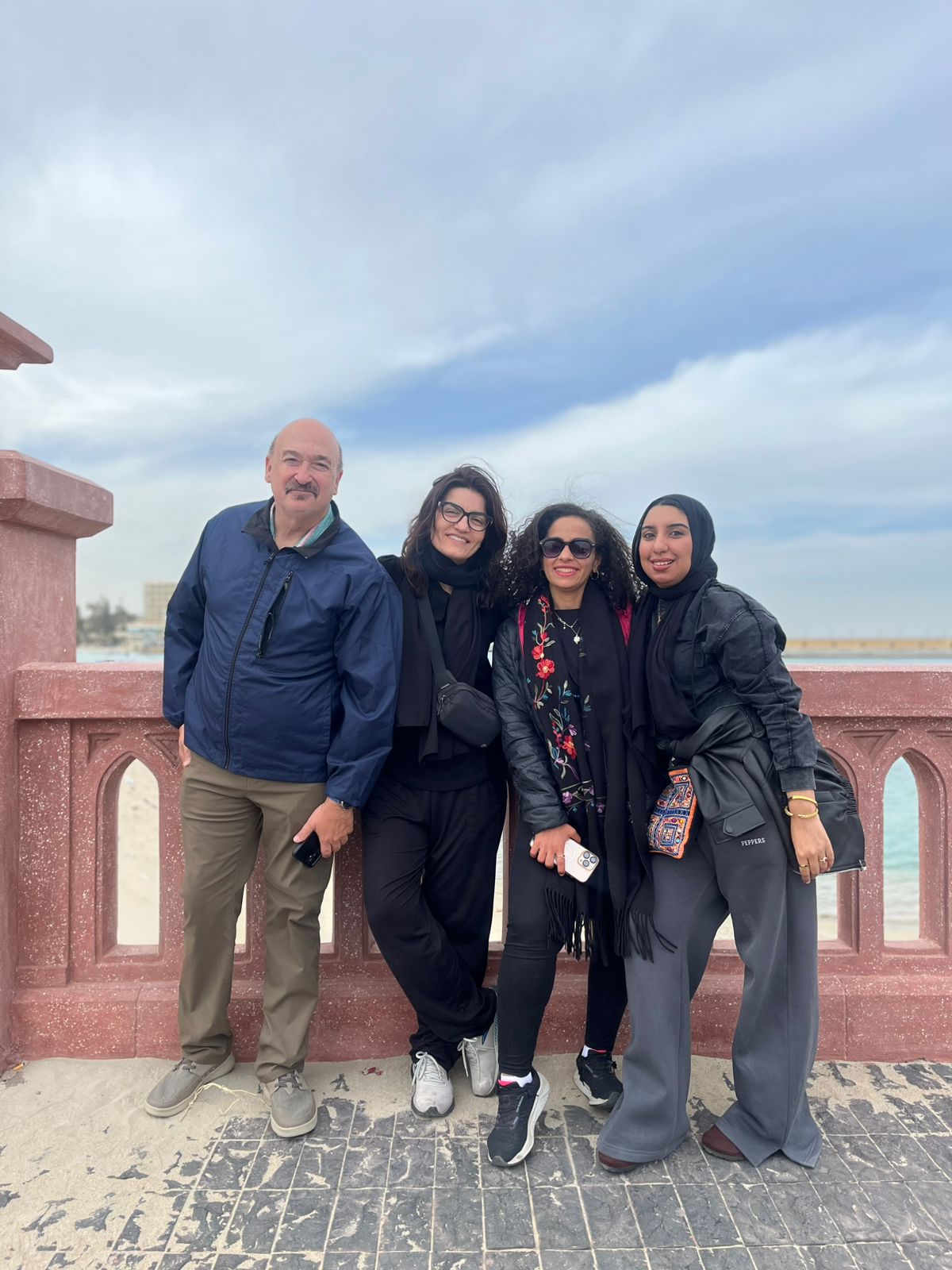
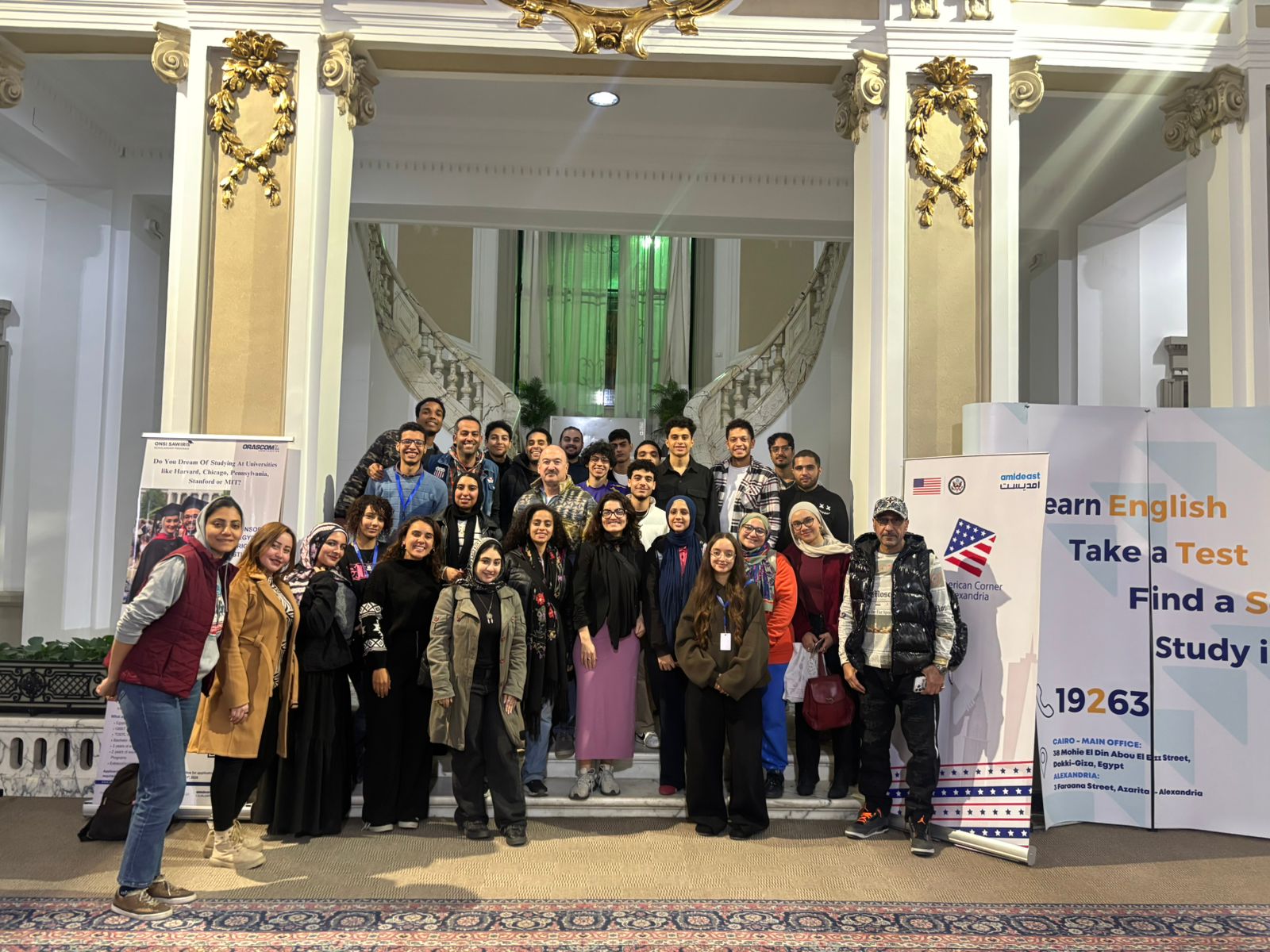
Following the last two trips in January, U.S. delegates Wafa Dinaro from New Economy Initiative and Michael Matesic from Idea Foundry flew to Egypt in early February for their outbound exchange. After the opportunity to experience the other side of the program, they did not hesitate to emphasize the talent and determination they encountered in Cairo and Alexandria. What struck Michigan-based business professional Dinaro the most was “the resourcefulness of early-stage founders building with limited access to traditional venture funding. Many are focused on fintech, logistics, and climate-adjacent solutions that respond directly to everyday friction in the Egyptian economy.”
Exploring the meaningful layers being built by the next generation of innovators in Egypt allowed these U.S. professionals to grasp the depth of ground-level talent, creativity, and resilience that can significantly evolve and advance entrepreneurial ecosystems. In particular, Dinaro also mentioned a specific experience that sparked further reflection on her work in Detroit and the value of reinvention: “I had a long conversation with a young founder who had pivoted three times due to regulatory changes. He spoke about it without frustration. “We adapt,” he said. That mindset, adaptation as default mode, is something I will carry home. Detroit has built strength through reinvention. Egypt reminded me that reinvention is not a chapter; it is a habit. The most enduring takeaway is this: ecosystems are not built by capital alone. They are built by culture.”
In essence, combining strategies from different contexts in the U.S. and Egypt fortifies both countries-each side benefits from new creative pathways and blended innovative practices. On one hand, Dalia Sharaf, an Egyptian Fellow from the Fall 2025 cohort, reflected on her U.S. fellowship host Michael Matesic’s experience in Egypt during his outbound journey, particularly highlighting the meaningful exchanges and engagement with young Egyptian leaders. She said, “the impact and effort he did in Egypt was unbelievable…it could not have been better.”
On the other hand, Pennsylvania-based Matesic remarked: “This exchange was the most full of any exchange I have participated in over the last 10 years…the overall number of Egyptians reached and the depth of communication stands out strongly. From high school students to college students and entrepreneurs. Hundreds of individuals were reached and impacted.”
Within Egypt’s adaptive and resilient, network-driven ecosystem-shaped by its culture, memory, and approaches-mutual learning flourished across generational lines. Just as the people learned from the U.S. delegations, these two business professionals also brought back invaluable lessons from local communities to their companies. Fundamentally, Egypt’s powerful entrepreneurial and creative spirit, coupled with the immense generosity, hospitality, and breathtaking sites, nurtured a renewed sense of commitment to change making, cross-cultural collaboration, and community strengthening.
ALGERIA
The last three U.S. representatives experiencing leadership in action in Northern Africa were Candyce Hunt from 5 Minute Career Hack, Rachel Mahmud from George Washington’s Center for Excellence in Public Leadership (CEPL), and Mighty Fine from American Public Health Association (APHA). As with all other outbound trips, the journey in Algeria was marked by a successful blend of professional engagements, cultural immersion, and meaningful human connections. The three U.S.-based fellowship hosts shared the impact of the trip, both professionally and personally, through specific experiences. Let us briefly explore each of their perspectives:
The DC-based public health professional, Mighty Fine, affirmed, “One of the most special parts was reconnecting with my fellow and having the opportunity to experience Algeria through her lens. That made everything feel more grounded and personal. It allowed me to connect with Algiers in a genuine way that felt more intimate, thoughtful, and real. Through her perspective, I was able to fully appreciate the spirit of the city, its beauty, and the richness of the people in a way I will carry with me forever.
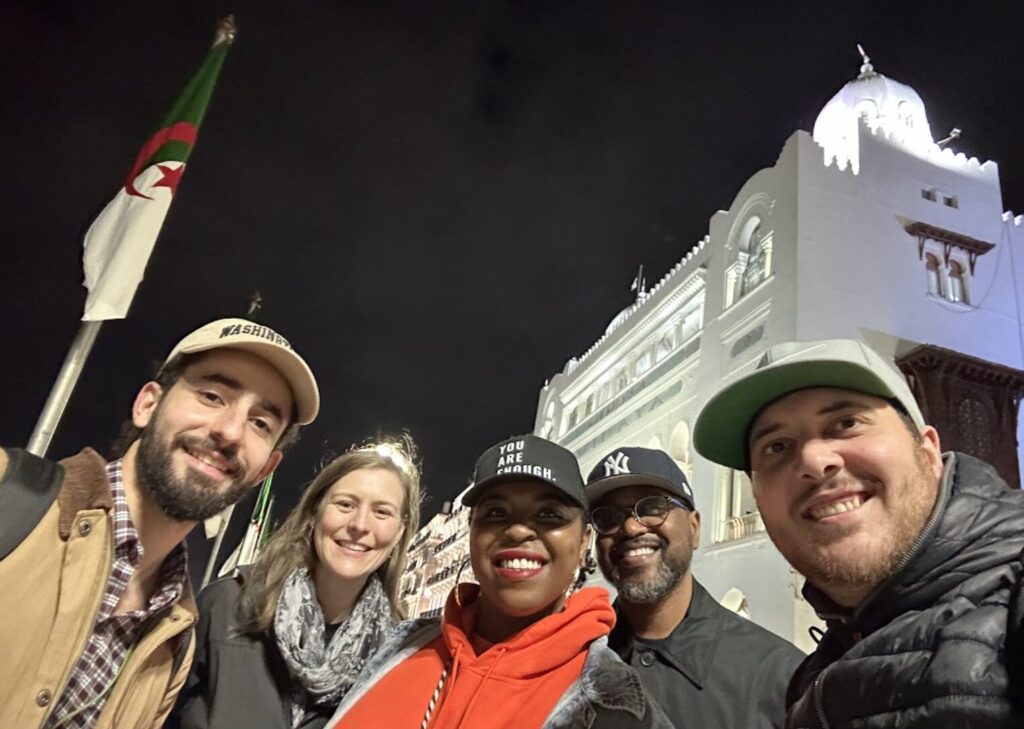
I was also especially moved by my interactions with the students and early career professionals. They were eager to learn and highly engaged, as demonstrated by the way they approached our conversations. Their curiosity and openness to expanding their thinking made an indelible impression on me. It was so energizing to be in their company, learning more about their interest in public health and how they were thinking critically about strengthening their communities and contributing to meaningful change. Being in those spaces reminded me how powerful it is to exchange in a way that feels reciprocal, rooted in genuine connection, and shaped by a shared desire to make the world a better place for all… this experience was eye-opening in ways that extended far beyond my expectations.”
Leaving Algeria for him was not the end, it was the beginning of long-lasting ties. Fine was so inspired by the remarkable sense of possibility and enthusiasm among the people of Algeria, that for him, it was a “see you later, not a goodbye.” Similarly, Rachel Mahmud joyfully reconnected with the Algerian fellow (Radji Sahari) she had once hosted at George Washington, while also being exposed to new people, organizations, and environments that broadened her perspectives and introduced new ways of engaging in reciprocity. The experience also encouraged her to see how her expertise and leadership center can support others.
She mentioned, “During my visit I met with several universities and organizations including EHEC Algiers, the ACCA, World Learning, and the American Institute, and in every place I felt genuinely welcomed. Seeing the intention behind the Algerian Leadership Program that Radji created was especially inspiring, and meeting his students challenged my own assumptions in meaningful ways…
Across all four workshops, participants were thoughtful, curious, engaged, and far more open than I had anticipated… The energy of those workshops carried through the rest of the experience, especially in the relationships I built with the other outbound participants and their Algerian fellows. The six of us spent meaningful time together, sharing meals, exploring the city, exchanging ideas, and forming friendships that I truly believe will last. I also found myself learning a great deal from Radji, especially seeing him in his home community and witnessing the program he built for Algerian youth. Our relationship grew into one of genuine mutual learning, and I know we will continue to collaborate and support each other throughout our careers…
Following my trip to Algeria, my organization plans to continue collaboration with many of the professional connections I established during the program. We are already engaged in partnership conversations with the organization where my fellow works, the American Institute, and I will be following up to explore concrete opportunities with World Learning, HIST, SARL Primarket, and EHEC Algiers. These emerging relationships offer meaningful benefits for U.S. institutions and American stakeholders. Partnerships focused on leadership development increase opportunities for American universities, nonprofits, and private companies to share expertise, co‑develop programs, and access new audiences…
Insights gained during the trip will directly inform my organization’s international strategy and enhance our capacity to serve U.S. companies and partners seeking to engage with international markets. In addition, increased cultural and professional understanding will help us navigate future cross‑border projects more effectively, ultimately contributing to stronger economic connections and people‑to‑people ties between the United States and Algeria.”
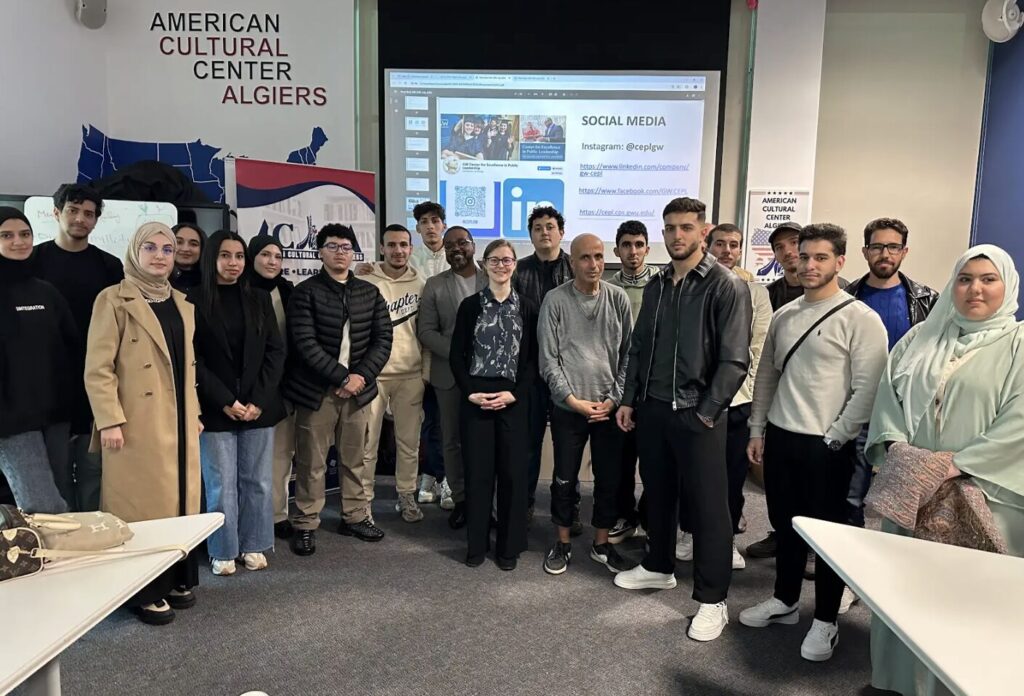
New partnerships, friendships, and joint ideas constantly shaped the U.S. delegation’s experience in Algeria. Indeed, Algeria’s emerging change-makers left a strong impression, as their openness to new ways of growing and becoming effective leaders was evident. Although uncertainty can be a constant, audacity and excitement to learn were never absent. This stood out too for Texas-based private-business professional Candyce Hunt Mondaine, especially when she described the professional and personal impact of her time in Algeria: “Professionally, facilitating the workshop series was especially powerful. Learning that participants discovered the session on Instagram and chose to invest in themselves that day made it personal. They showed up with intention, and that challenged me to deliver with excellence. At the end of one workshop, a gentleman shared that the experience had changed him. I was not seeking praise, but knowing someone felt equipped to take action afterward affirmed the purpose of my work. Leadership development, when grounded in clarity and care, truly transcends borders.
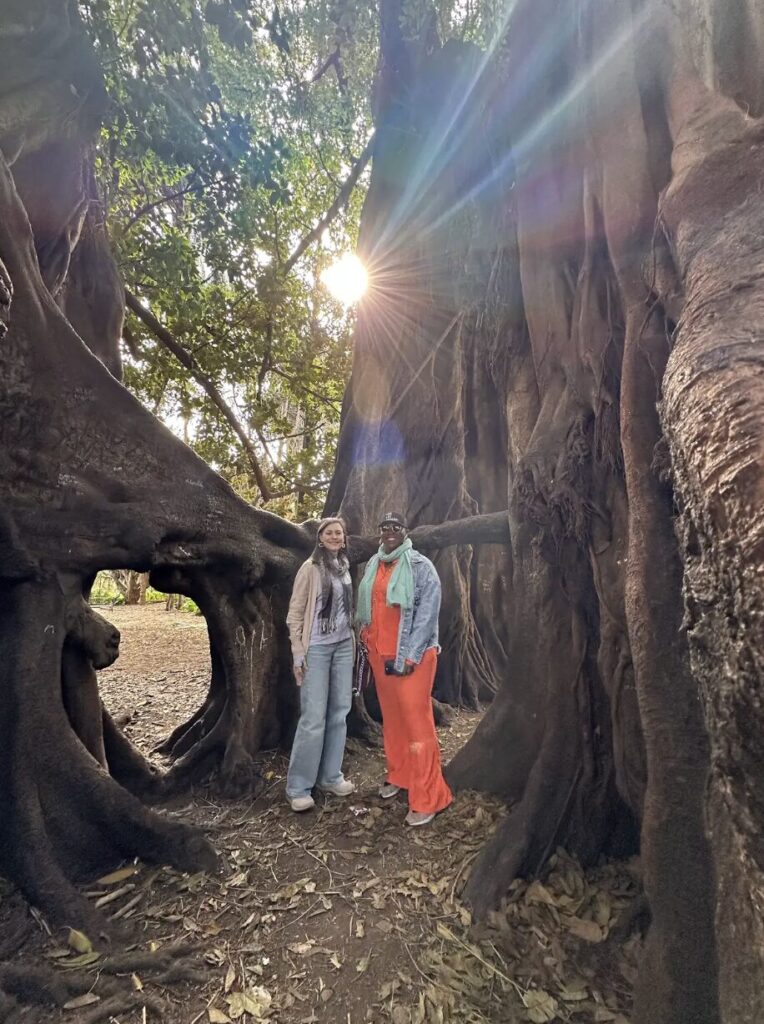
Personally, embracing the culture, exploring the city, and engaging in meaningful dialogue expanded my perspective in lasting ways. This experience reignited my passion for global collaboration and deepened my appreciation for the shared human drive to grow, lead, and create impact. I return home grateful, inspired, and committed to continuing this work across cultures.”
Each country is incredibly diverse, let alone the region as a whole. Yet numerous commonalities can be found across the ten U.S. fellowship hosts’ outbound experiences, all centered on the key role people played in making the journeys unforgettable and irreplaceable. Everyone involved in Tunisia, Morocco, Egypt, and Algeria contributed to the program’s professional and personal mutual influence through the beauty of sharing time, knowledge, and inspiration together. By fostering genuine collaborations among leaders from diverse cultural backgrounds, this exchange program serves people and long-lasting change.
Crucially, the living and breathing resilience, talent, excitement, and drive for innovation, change, and leadership in each of these countries can truly be internalized firsthand. This is what these ten professionals from the United States experienced-the comprehension was so powerful that it renewed their inspiration, reaffirmed their paths, and motivated them to stay connected and return in the near future. Witnessing with their own eyes what other regions, generations, and sectors are doing and creating helped pave the way for a shared commitment to continue meaningful, mutually beneficial collaborations.
The way they engaged with various groups of professionals-from students and new entrepreneurs to diplomats and senior career professionals-reflects how this program places citizens at the forefront of change. It is a two-way learning process among those who have the energy and drive for collective growth so that the tools and technical knowledge shared are used to address real needs. In other words, it is a people-to-people engagement that transforms shared learning into durable impact amid global change through relationships, leadership, and organizational development.
More than just ten days of exchange, this program serves as an epicenter of citizen diplomacy and partnership-building, strengthening relationships between the United States and other countries by actively fostering lasting connections. Ultimately, it is these strong and enduring ties that drive meaningful change.
About the Author: Isabella Cuevas Celis is the Spring 2026 International Program Development and Communications Intern for the Professional Fellows Program, a U.S. Department of State initiative administered by Legacy International.